Mud Mile is now part of Story Sellers Group.
1-2-3 Thoughts From the 2026 Car Wash Show
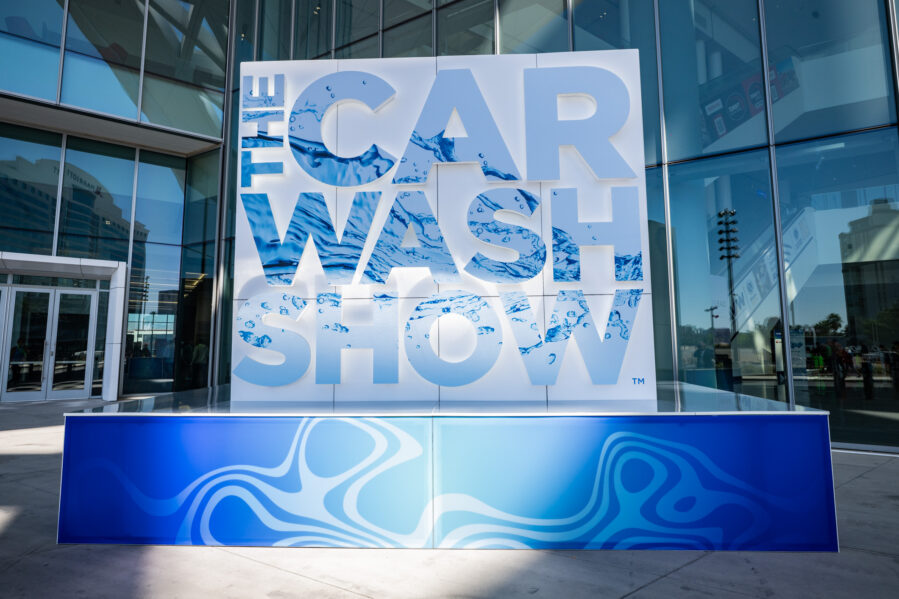
The Mud Mile team had the pleasure of being in Nashville last month to attend The Car Wash Show.
This conference is always such a great experience, reconnecting with our partners across North America and meeting so many new people. This year more than 10,000 professionals representing hundreds of car wash brands were in attendance.
We saw incredible operational innovation on the trade floor. We heard some truly inspiring talks about how teams are creating unique hospitality experiences, and how managers inspire their teams to connect with customers.
So, I was more than a bit surprised (and disappointed) to discover some fellow marketers claim they’ve unlocked a one-size-fits-all approach to marketing that will solve every car wash’s sales woes. If only it were that easy.
One Size Does Not Fit All
Why would an entire industry want to opt-in to the exact same approach? Talk about a recipe for disaster.
This so-called strategy only benefits the people pitching the idea. For them, this process is a great way to scale their ad agency because it’s easy and doesn’t require ongoing thought. The plan scalable and profitable for them (not you).
Cure-all claims like this are among the reasons so many people hate working with advertising agencies and marketing professionals.
Sure, a one size fits all approach sounds good in the short term. You can institute the ideas quickly, check the box, and go on to tackling your next issue.
But long term, it’s bad for business. You’re likely just copying the same playbook as your competitor across the street, and the customer you’re both going after absolutely notices. With no discernible difference between you and them, you’re likely looking at a pricing war to win that business (or worse, just offering up free wash after free wash, hoping for a conversion that’s getting more expensive by the day). You’re failing to build brand loyalty, and that leads to normalizing high churn rates and finding your car wash in a never ending race to bring in new customers and pray they don’t leave.
What Should You Do Instead?
Your car wash is different from your competitors. How do you show drivers that difference?
You tell (and sell!) your story:
- You let them see how you give back to your community.
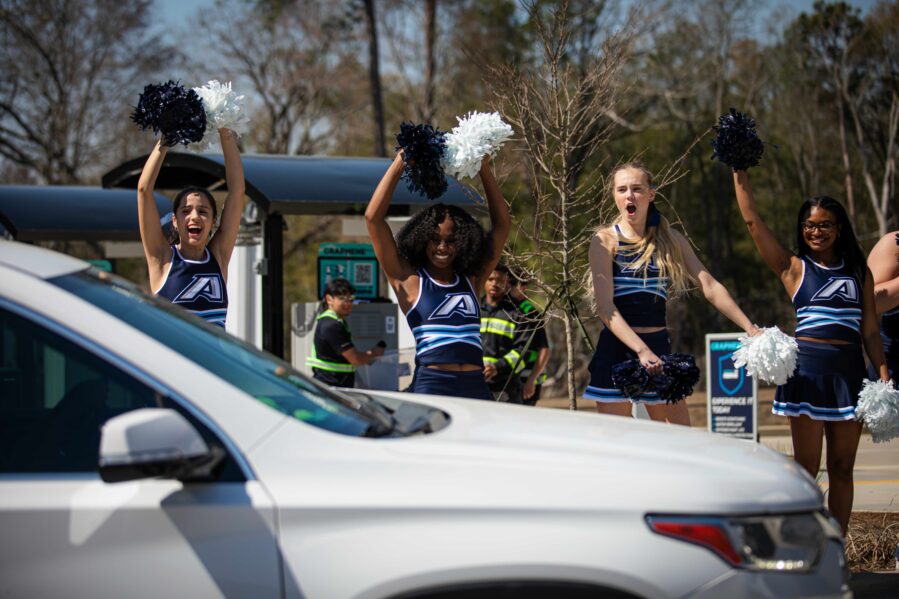
- You show them which local schools or sports teams do you support.
- You celebrate and empower your your ops team.
Find those little things you do differently that make your customers care about coming back.
For a good example of how this looks in practice, think about McDonalds and Burger King. They’re pursuing a similar customer. Theirs locations are often close to each other. Both have a drive-thru.
Are they using a one size fits all approach? Are they using the same playbook as the other? Of course not!
Two-Way Conversations Are Essential
How are you telling, and selling your story?
A two-way conversation is essential to any great relationship. And in order to do that, you need to meet your customer where they’re at.
We heard over and over that SMS marketing is all any operator needs. Yes, customers typically have a phone attached to their hand at all times, so you should absolutely consider texting them. But texting is a one way conversation. You’re telling them something, and they have no way to respond. Not very personal, is it?
We all know the person who only reaches out when they need something. They claim to be our friend. But the fact is, they never check in on us or ask how we’re doing. They only text when they need something from us. That’s not a relationship.
How Do I Do This?
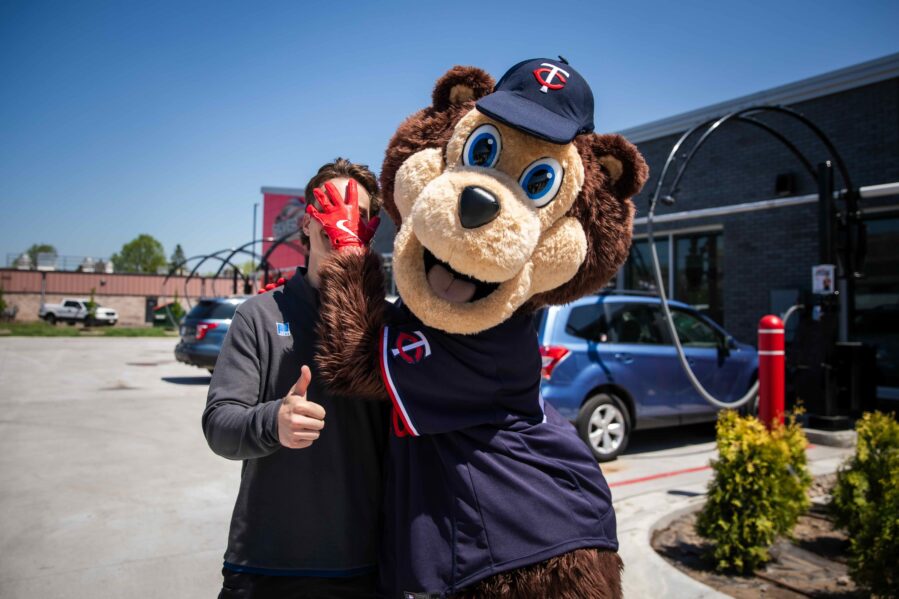
You train your operations team members in how to talk to customers, to make them feel at home, to make them feel seen and heard. This same attention needs to extend to your digital footprint: Facebook, Instagram, Google My Business, Yelp, TikTok, etc. You know: everywhere your customers are.
Same with text, you can’t just say something and then that’s it. You need to answer their questions, both the good and the bad. Earn their trust and keep it. The stats back it up. Brands that communicate openly with their customers on social media see the effectiveness of their paid ads amplified by up to 4x!
These channels are the perfect place to tell and sell your story. Share more about the things that make you different (and better!) than the car wash across the street.
And don’t exclusively talk about deals! (What relationship works when all you talk about is money?) For every post you publish that shares a promotional message, you should share four others that set you apart as a brand:
- How does your team help in the community?
- Why does your team LOVE washing cars?
- Ask your customers questions: What is your favorite thing about our wash? How can we serve you better? What’s your favorite thing about our community?
After all, we should always be thinking about the communities in which we serve. Which leads to:
Three Ways To Unlock Growth With Hyperlocal Story Selling
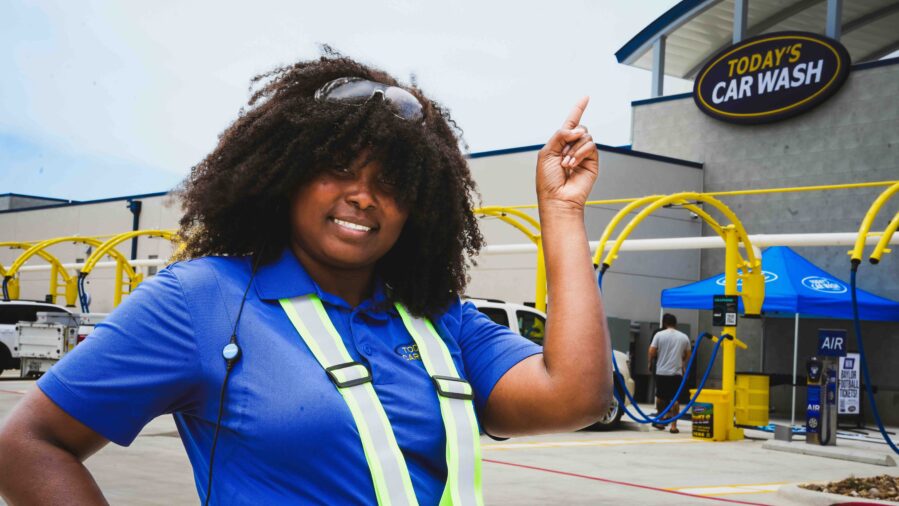
Each of your brands should its own marketing strategy that includes a hyperlocal story telling. Car washes have always been about serving their local communities. This is a wonderful history unique to our industry, and those stories of nostalgia ultimately bind us to our communities in ways other businesses dream of.
How Do I Do This?
One of our long term partners has grown to 30+ locations across the Midwest. So we need to think about how we communicate with those customers across a multi-state geographic area, but also, at times, within the same city.
This brand has locations in Fargo, North Dakota (they LOVE winter) and Rockford, IL (they HATE winter). How we message them in the winter months must be differentiated to be effective. This requires more effort, but when executed correctly, lets our customers in both cities know that we care about them, which in turn leads to customer loyalty.
We might proudly email our Fargo list to let them know that it’s -10° outside, and we’re still open and can’t wait to help them clean up after yesterday’s snow storm. The the same day, it might be 0° in Rockford, and the email for these drivers lets them know that we’re closed to keep everyone safe.
An effective hyperlocal campaign should:
- Tell geographically and culturally relevant stories.
- Use language appropriate to your customers.
- Show the care required to create this customization.
The partner I’m using in these examples does a good job telling that story to customers in each town they serve, which is more time consuming than taking a one size fits all approach. It takes more care, planning and segmentation, but that extra work bears fruit.
What Not To Do
I was in Florida last week supporting a grand opening for a new partner. While there, I was served up ads from a competitor, who was spending (wasting) ad money to tell me how they support a very local charity. Sounds great, right? The problem is, that charity is four states away. The car wash advertising has locations across the Southeast. But, instead of messaging in a hyperlocal way to each of their locations, they chose a lazy one-size-fits-all campaign.
Why does this matter? After all, they’re telling a compelling story about lifting up a local non-profit. And good for them. But they’re throwing away dollars telling potential customers about a charity they’ve never heard of, in a place hundreds of miles away. With slightly more effort, they could have empowered their local Florida team to identify a local non-profit from their own backyard to support and shared that story to their local customers. That would actually mean something to their customers, who in turn would be more compelled to be loyal to the wash.
Customers aren’t stupid. They know that in many instances, car wash ownership might not be local. But, they still expect their local dollars to stay local. Community matters. And as car wash marketers (as a marketer in any line of business) we need to be aware of that.